
Pool Closing & Winterization in Chestnut Ridge, NY: Your Complete Fall Guide
The days are getting shorter, the mornings are getting crisp, and if you own a swimming pool in the Hudson Valley, that can only mean one thing: pool closing season is almost here. As much as we’d all love an endless summer, winters in Rockland County don’t negotiate. Freezing temperatures, ice, and months of harsh weather can do serious damage to a pool that hasn’t been properly closed and winterized.
At B&B Pool and Spa Center, we’ve been helping homeowners across Chestnut Ridge, Rockland County, Westchester County, and Bergen County, NJ protect their investments since 1972. In this guide, we’ll walk you through everything you need to know about closing and winterizing your pool this fall—when to do it, what the process actually involves, the mistakes to avoid, and how to make sure your pool comes back to life beautifully next spring.
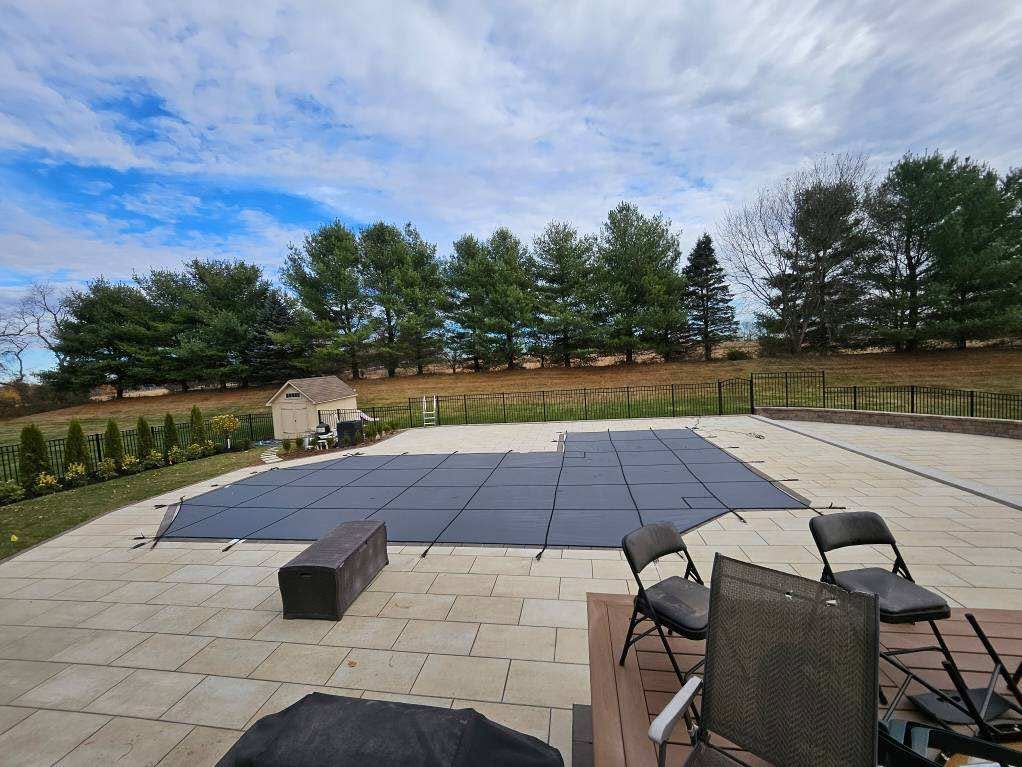
Why Proper Pool Closing Matters
Freeze damage. This is the big one. When water freezes, it expands. Water left sitting in your plumbing lines, pump, filter, or heater can freeze solid and crack pipes and equipment—turning a routine seasonal task into a multi-thousand-dollar repair bill come April.
It can be tempting to think of pool closing as simply “throwing on a cover and calling it a day.” Unfortunately, that shortcut is exactly how expensive spring surprises happen. A proper pool closing does far more than tidy things up—it actively protects your pool through the toughest months of the year. Here’s what a professional winterization protects you from:
Algae and staining. Water that isn’t properly balanced and treated before closing becomes a breeding ground for algae over the winter. Open your pool in spring to a swamp of green water, and you’re looking at extra chemicals, extra labor, and extra frustration.
Debris and structural strain. Leaves, dirt, and storm debris that pile up in an uncovered or poorly covered pool stain surfaces, clog systems, and add to your spring workload.
A harder, costlier spring opening. Simply put, a pool that’s closed correctly opens easily. A pool that’s closed carelessly—or not at all—often needs a full drain, deep clean, and chemical overhaul before anyone can swim.
Spending a little time and care now saves you money, headaches, and lost swim days later.
When Should You Close Your Pool in Rockland County?
Timing is one of the most common questions we hear, and it’s an important one. Close too early, while the water is still warm, and you invite algae growth during those lingering mild autumn weeks. Close too late, after a hard freeze has already hit, and you risk the very damage you’re trying to prevent.
For homeowners in Chestnut Ridge and the surrounding Hudson Valley, the sweet spot usually falls in late September through October. The best rule of thumb isn’t a calendar date—it’s water temperature. You want to close your pool once the water stays consistently below 65°F. At that temperature, algae growth slows dramatically, which means your winterizing chemicals can do their job through the long months ahead.
Because our region can see its first frost as early as mid-October, we generally recommend booking your closing before the first hard freeze settles in. Waiting until the last possible weekend is risky: an early cold snap can arrive before you’ve had a chance to blow out your lines.
One more practical reason to plan ahead: fall is the busiest stretch of the year for pool professionals. Appointment calendars fill quickly across Rockland and Bergen counties, and the homeowners who wait until the first frost are often the ones scrambling to find an available date. Scheduling your pool closing service early guarantees your pool is protected on your timeline, not the weather’s.
Pool Closing vs. Winterization: What’s the Difference?
You’ll often hear “pool closing” and “winterization” used interchangeably, and for good reason—they go hand in hand. But it helps to understand the distinction.
Pool closing refers to the overall process of shutting your pool down for the season: cleaning it, balancing the water, and covering it.
Winterization refers specifically to the steps that protect your plumbing and equipment from freeze damage—lowering the water level, clearing water from the lines, adding pool-grade antifreeze, and draining your equipment.
A thorough closing includes winterization. Skipping the winterization steps is where DIY closings most often go wrong, because these are the tasks that prevent the costliest damage of all.
What’s Involved in Closing an Inground Pool
Curious what a professional closing actually looks like? Here’s the step-by-step process our technicians follow when we winterize an inground pool. Even if you plan to hire us (and we hope you do), understanding the process helps you appreciate why each step matters.
1. Test and Balance the Water
Everything starts with water chemistry. We test and adjust your pH, alkalinity, calcium hardness, and sanitizer levels so the water is properly balanced before it sits untouched for months. Balanced water protects your pool’s surfaces from staining, scaling, and etching all winter long. If you’d rather not guess, our water testing and treatment experts can dial everything in precisely.
2. Deep Clean the Pool
Next, we thoroughly clean the pool—skimming the surface, brushing the walls, and vacuuming the floor. Removing organic debris before closing prevents staining and gives algae far less to feed on over the winter.
3. Lower the Water Level
We lower the water below the skimmer and return lines (the exact level depends on your cover type and plumbing setup). This keeps water out of the parts of your system most vulnerable to freezing and expansion.
4. Blow Out and Plug the Lines
This is the heart of winterization. We clear all the water from your plumbing lines using specialized equipment, then seal them with winterizing plugs. Any water left behind in these pipes can freeze, expand, and crack them—so this step is done with real care and the right tools.
5. Add Pool Antifreeze
As an added layer of protection, we introduce non-toxic, pool-grade antifreeze into the lines. (Important: this is a specialized product—never automotive antifreeze, which is toxic and can damage your pool.) This safeguards any trace moisture against a deep freeze.
6. Drain the Equipment
Your pump, filter, heater, and chlorinator all hold water that must be removed. We drain each component so nothing is left to freeze and crack inside your expensive equipment. If our technicians spot a worn part or a small leak during this step, we’ll flag it—so you can handle any pool repairs over the off-season rather than at the height of next summer.
7. Add Winterizing Chemicals
We add a winter closing kit—typically a combination of algaecide, a winter shock, and stain-and-scale protection—to keep your water clean, clear, and balanced until it’s time to reopen. Proper winter chemistry is the single biggest factor in whether you open to sparkling water or a green mess in the spring.
8. Install the Cover
Finally, we secure your winter or safety cover. A properly fitted, tightly secured cover keeps out leaves, debris, and critters while adding a crucial layer of protection for your family and pets. More on covers below—because this choice matters more than most homeowners realize.
Closing an Above-Ground Pool
If you own an above-ground pool, the good news is that the core principles are the same: balance the water, clean thoroughly, lower the level below the skimmer, protect the equipment from freezing, add your winter chemicals, and cover securely. The main differences involve using an air pillow beneath the cover to absorb ice expansion and relieve pressure on your pool walls, plus cover clips or a cable-and-winch system to keep everything tight through winter winds. Our team handles both inground and above-ground closings throughout the Chestnut Ridge area, so whatever you own, you’re covered.
Why a Safety Cover Is Worth It
Not all pool covers are created equal. A standard tarp-style winter cover held down with water bags will keep debris out, but it does little for safety and often sags, tears, or blows loose in a Hudson Valley winter.
A safety cover, by contrast, is a heavy-duty mesh or solid cover anchored securely to your deck. It’s engineered to support significant weight—meaning it protects children and pets from accidental falls, not just leaves from getting in. It also looks cleaner, lasts far longer, and dramatically reduces your spring cleanup.
For families with young kids or curious pets, a safety cover offers priceless peace of mind through the off-season. Explore our pool safety cover services to find the right fit for your pool—and if you’ve been eyeing an upgrade, fall is the ideal time to make the switch.
Keep an Eye on Your Pool All Winter With Winter Watch
Closing your pool in October doesn’t mean you won’t think about it again until May. Winter storms, shifting water levels, heavy snow, and cover damage can all cause problems during the months your pool sits dormant—and by the time you’d normally notice, the damage is done.
That’s exactly why we created our Winter Watch Program. Our team periodically checks on your closed pool throughout the winter, monitoring water levels, cover condition, and overall integrity so small issues get caught before they become expensive repairs. It’s the kind of proactive, personal attention that has kept B&B customers loyal for more than fifty years—and it’s a genuine difference-maker for homeowners who want true peace of mind all season long.
Common Winterization Mistakes to Avoid
Even well-intentioned DIY closings can go sideways. Here are the pitfalls we see most often:
- Closing too early. Warm water plus winter chemicals equals algae. Wait until the water is reliably below 65°F.
- Skipping the water balance. Unbalanced water quietly stains and etches your pool surfaces all winter.
- Leaving water in the lines. The number-one cause of cracked pipes and equipment. Blowing out the lines isn’t optional.
- Using the wrong antifreeze. Automotive antifreeze is toxic and can ruin your pool. Only pool-grade antifreeze belongs anywhere near your plumbing.
- A loose or ill-fitting cover. A sagging cover collects water, sinks debris, and can fail entirely under snow load.
- Draining the pool completely. Emptying an inground pool over winter can cause the shell to shift, crack, or even “float” out of the ground. In almost all cases, the water level should be lowered, not eliminated.
Why Choose B&B Pool and Spa Center?
When it comes to protecting one of the biggest investments in your backyard, experience matters. Here’s why homeowners across Rockland and Bergen counties trust B&B:
- Over 50 years of local experience. We’ve been closing pools in this region since 1972. We know exactly how Hudson Valley winters behave and how to prepare your pool for them.
- A true one-stop pool and spa shop. From closing and safety covers to liner replacement and renovations, repairs, and reopening, we handle every stage of your pool’s life.
- Industry-leading products. We use trusted, proven BioGuard chemicals and premium winterizing materials—not bargain-bin substitutes.
- Personal attention and dozens of industry awards. We treat your pool like it’s our own, and our reputation (and BBB accreditation) reflects it.
- Proudly local. Based right here at 787 Chestnut Ridge Road, we serve Chestnut Ridge, Nanuet, and communities throughout Rockland County, Westchester County, and Bergen County, NJ.
Frequently Asked Questions About Pool Closing
When is the best time to close my pool in Rockland County?
Aim for late September through October, once the water temperature stays consistently below 65°F and before the first hard freeze. Booking early ensures you get a date that works for you during our busiest season.
Can’t I just close my pool myself?
You can, but winterization is where DIY closings most often go wrong. Blowing out plumbing lines properly requires specialized equipment, and a single missed step can lead to cracked pipes or ruined equipment. Professional closing costs far less than the freeze damage it prevents.
Do I need to drain all the water out of my pool?
No—and you shouldn’t. Fully draining an inground pool can cause the shell to shift or crack. The correct approach is to lower the water below the skimmer while protecting the plumbing and equipment from freezing.
What’s the difference between a winter cover and a safety cover?
A standard winter cover keeps out debris but offers little protection against falls. A safety cover is securely anchored to your deck, supports significant weight, guards children and pets, and lasts much longer.
What is the Winter Watch Program?
It’s our seasonal monitoring service. We check on your closed pool through the winter—watching water levels and cover condition—so problems are caught early rather than discovered in spring.
How far in advance should I schedule?
The sooner the better. Fall calendars fill fast across the area, and early booking guarantees your pool is protected before cold weather arrives.
Schedule Your Pool Closing With B&B Today
Don’t wait for the first frost to think about winterizing your pool. A professional closing now means a protected pool all winter and an easy, sparkling opening next spring. Let the experts at B&B Pool and Spa Center handle the details so you can enjoy your fall with total peace of mind.